Tuesday, September 6, 2016

5 Ways You Can Prevent Suicide


It’s National Suicide Prevention Week! Our goal is to Stop Suicide- so let’s get started! To break this down into more bite- size chunks of action items, we’ve created a list of 5 things you can do to help prevent suicide. Here is a comprehensive approach to suicide prevention. Now, there are more than five things you can do, but this is a good starting place.

According to the American Foundation for Suicide Prevention (AFSP), 42,773 Americans died from suicide in 2014, and suicide claims over 800,00 people globally. Suicide is the 10th leading cause of death in the US and for every suicide there are approximately 25 more attempts. In the U.S., firearms account for almost 50% of suicides.

What gets me, is that this is PREVENTABLE! And here’s how:

1.     Educate Yourself and Others

The more we know about suicide, including risk factors and signs the easier it is to identify and prevent. Just to clarify, risk factors help us identify people who may attempt suicide or be thinking about it. Warning signs help us know if the person we’ve identify is in danger of planning suicide. With that information, we also need to accept that not everyone is going to meet these risk factors of show these warning signs. So here is a list of resources for you to get to know suicide:

 Warning Signs and Risk Factors


General Guides to Suicide and Prevention

Suicide Prevention Week Information (Read the Introduction)

Wisconsin Information


2     Increase Help- Seeking


One barrier to receiving treatment is not knowing when or where to get it. So first, again, is education. Understanding risk factors and warning signs help to identify when more support is needed. OK, we’ve asked for help…. Now what? This is where knowing services and supports comes in. No one is expected to know every support group, therapist, and treatment option there is in any given city and the internet can have an overwhelming amount of information. Luckily, we have a list of resources to help connect you or someone you care about to the right services:


Crisis Support

National Support


Connections to Find Support


Wisconsin Connection to Support


3.     END THE STIGMA


So we know mental illness is a risk factor for suicide, and many of the other risk factors are symptoms of mental illness. It’s not hard to connect mental health and suicide, which is why addressing public and self- stigma around mental health helps prevent suicide. On top of the challenges someone may be facing with their mental illness, they may also experience self- shaming or guilt, along with negative stereotypes and prejudice caused by misconceptions of mental illness. This stigma creates a barrier to receiving appropriate care and stifles support efforts. The more we share our own struggles, educate ourselves and everyone else on mental health issues and suicide, and correct misconceptions, the stronger our cause to stop suicide can be.


While we’re at it…. Pledge to Stop Suicide Here

 4.     DONATE


This is where we lose people, when we start asking for money. BUT, we are not necessarily asking for money here – so keep reading!

Donate your time, personal experiences, data, expertise, knowledge, and yes money to promote suicide awareness and prevention. The internet is filled with resources for support, motivation and inspiration, and most of those are fueled by personal stories, survivors, and peer support. This includes video blogs, short statements, longer stories, and anonymous surveys. There are also a variety of opportunities for peer support. Volunteer with a crisis line or an online chat or texting service. Another way to give is to donate your data, share information to produce more evidence for researchers. If giving money is not your thing, which is completely understandable even before you explain why, there are other ways to support this cause financially. Participate in a walk or fundraising, you could even volunteer to coordinate and organize. There are also many memorial funds that allow you to donate in the name of someone lost to suicide, this is a more personal touch and fosters that persons legacy. Another method is to buy merchandise from programs and organizations--- that benefits suicide prevention, gets you something meaningful, and promotes awareness when you wear or use what you bought--- it’s a win, win win!


Donate Your Experience:


Donate Financial Support:


5.     ADVOCATE


Going through all these resources, risk factors, warning signs, organizations, and awareness campaigns, it is clear that all this support we are talking about is necessary. Sometimes, people can’t act, speak up, or advocate for their own needs. Anything we can do to make that easier, let’s. Any advocacy we can do, interpersonally, in our communities, or nationally, let’s. Combine the first four parts of this blog to participate in this last one. To start, get active on social media sharing and promoting awareness campaigns. Sharing knowledge and experience helps reduce stigma and get people the treatment they need.

  Here are some sharable images: 


Thursday, July 7, 2016

Summer Wellness

As summer approaches, heat can lead to a depressive disorder in some people. While seasonal affective disorder (SAD) is more common in the winter (affecting 5 percent of the U.S. population) a smaller group (1 percent) experiences SAD in the summer months. (NKAMHA)

People experiencing SAD are not the only ones who can experience extreme psychiatric symptoms during the summer. You may wonder why you are still in a funk throughout the summer months. As the weather gets warmer and the the sun stays in the sky longer, some may think people with depression, anxiety or other mental illnesses would feel some relief in their symptoms. For some this is true, but many who are struggling with their symptoms or triggers it is hard to figure out new coping skills for practicing adequate self-care throughout the summer.


What are some things you could do to take care of yourself throughout these summer months?


Stay Hydrated
It has been found that when tempters exceed 90 degrees (fahrenheit), those who are receiving treatment with psychiatric medication have a 40% greater risk of heat-related death than the general population.

"Individuals with mental illnesses need to stay hydrated during periods of extreme heat since their medications make them susceptible to heat stroke, and they are more likely to develop certain types of medication toxicities," said Dr. Timothy Stone, the Alabama Dept. of Mental Health's medical director. "Each year in the summer, people with mental illnesses die from heat strokes because they and/or their caregivers may not be aware of the dangers."

If you are unsure of whether or not the medication you are or someone you know is currently taking could put you at risk contact your psychiatrist or proscribing medical provider.

Schedule Regular Check-ups
Make sure you are in good contact with your treatment team throughout the summer months. It is easy to get off schedule do to holiday weekends and summer vacations. If you are a student, set up regular appointments with your treatment team throughout your summer break or finding a treatment team for the summer if you are traveling home or abroad. If needed, discuss the possibility of joining support groups with your treatment team for extra support.

Limit (or eliminate) your alcohol consumption
Drinking alcohol can further dehydrate you and can even make psychiatric symptoms worse. It can put you at risk for using alcohol as an unhealthy coping strategy for these symptoms. Lastly, it has been shown that those who are using are less likely to follow through with their treatment plans with their mental health providers (e.g., adhering to their medication regimens or keeping appointments). This could lead to relapse, more hospitalizations or other outcomes.

Join a Summer League or Class
Trying something new could be anxiety provoking for some, however joining a summer sports league or starting a new hobby gives opportunity for socializing with peers. It is a great way to meet new people or connect with friends regularly throughout the summer. If you need ideas take a look at our activity calendar or community involvement pages!

Create Structure
Create structure in your schedule for the summer. No, don't overwhelm yourself, but having a consistent sleep schedule, eating healthily (if applicable, according to your meal plan), and involving yourself in activities that are satisfactory will help the summer blues. Make sure you are including your self-care in your schedule! If you are struggling with creating a schedule for yourself contact your treatment team or mental health provider for support.


Sunday, June 5, 2016

The Power of Music in Recovery


The experience of music is powerful. 

Whether it be between a performer and their audience, the radio playing in the background of a group gathering, friends dancing together, or a group of strangers singing in unison at a concert, music has its way of generating connection amongst people.

Engaging with music in any form is a unique way of processing or coping with conflicting emotions and developing a sense of control or normality. It’s is shown to have an effect on mood, through bringing us to tears, helping us let go of our stress and worry, or pump us up when feeling lonely and sad.


So the question is how can you make music work for you or your recovery? 

You could... 

Learn to play a new instrument,
Join a band,
Teach yourself to read music,
Go to a concert with a friend,
or start listening to upbeat music in the mornings. 

The realm of possibility is endless for you to use music as a positive coping strategy.


Some great FREE resources for finding new music or more playlists are 8tracks, Playlists.netSoundCloud, YouTube, and Pandora. You can also create your own playlists through Spotify8tracks, and iTunes.

Below are some links to playlist suggestions specifically for mental health recovery:


Monday, May 2, 2016

May is Mental Health Awareness Month

National Alliance on Mental Illness

Take the Pledge
"We believe that these issues are important to address all year round, but highlighting these issues during May provides a time for people to come together and display the passion and strength of those working to improve the lives of all Americans whose lives are affected by mental health conditions."             National Alliance on Mental Illness
During the month of May the National Alliance on Mental Illness (NAMI), as well as participating individuals, groups, and corporations, bring awareness to the mental health issues within the United States. Each year the NAMI combats social stigmas, provides support to those who are affected by mental illness, educates the public on the severity of current mental health issues, and advocates for equal care.
In the link above you too can make the stigmafree pledge to learn more about mental health, to see individuals as a person - not as an illness, and to take action on mental health issues. For other ways to become more involved, share your experience with mental illness, or become a leader in the mental health movement, check out NAMI's website for more information. 
Share mental health awareness information, images and graphics with #mhm or #mentalhealthmonth and help spread awareness for the stigmafree pledge with #StigmaFree. 
Learn more about Mental Health Month at https://www.nami.org/mentalhealthmonth

Mental Health America

Photo credit  
Mental Health America (MHA) has declared that the theme for this year's Mental Health Awareness Month is called "Life with a Mental Illness". MHA is promoting the use of #mentalillnessfeelslike on social media to raise awareness, calling on individuals living with a mental illness to share "what life feels like" to them. Each person's words, photos or videos that include this hashtag are being compiled and displayed on mentalhealthamerica.net/feelslike.
"Posting with the hashtag will allow people to speak up about their own experiences, to share their point of view with individuals who may be struggling to explain what they are going through—and help others figure out if they too are showing signs of a mental illness."                       Mental Health America
If you are someone who wishes to share your experience of living with mental illness, but are not wanting to be identified the link above contains a "Share Now Anonymously" button where you are welcome to contribute. MHA believes that there is power in sharing your story; in fact that doing so is the key to breaking through the misperceptions about mental illnesses and negative cultural stereotypes surrounding them. This hashtag is also meaning to be used as a resourceful connection for those who are currently struggling, aiming to show them that they are not alone in their feelings and their symptoms.

Other Resources for Mental Health Awareness

Wednesday, April 6, 2016

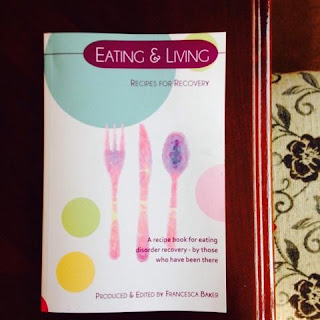
Eating & Living - Recipes for Recovery

The famous question we all hear at the end of everyday: 

"So...what's for dinner?"

Ugh NOT again, right? At the end of a long day we are just too tired...drained...avoidantWe have so many things on our metaphorical plate that we struggle in figuring out what to put on our dinner plate. Meal preparation, feeding our bodies on a regular schedule, and eating "right" are struggles for many people and is even more overwhelming for those struggling with an eating disorder. This question can spark feelings of distress, shame, low self-esteem, fear, and a whole realm of other difficult emotions as those in treatment or recovery attempt to better their relationship with food and their weight. 
In today's media, where messages and advice on health and fitness are not always clear, information can become even more blurred by such a relentless and constricting illness. Not only can it be difficult for people to have a clear idea of what a relatively balanced diet looks like, but it can be even harder to put this knowledge into our daily practice. Having support in any form can be very helpful, but for those with eating disorders it is crucial. 

https://eatinglivingrecovery.wordpress.com/
Eating & Living is a recipe book for those in recovery from eating disorders. The collection of recipes has been shared by those who are also in treatment, those who are recovery, care takers, friends and family of sufferers, and health professionals - each of them having told their story as to why a recipe matters.
This creation began through the conversations being had on an inpatient ward for severe eating disorders in North London. Here, patients shared stories of the delicious foods they once loved and wished they felt capable of eating again. They would joke of crafting a cookbook, filling it with their knowledge of food and meal ideas.  An inpatient who participated in many of these conversations, Francesca Baker, recently decided to make this idea a reality. However, she wanted to take it further than just a list of ingredients and step-by-step instructions and share the unique stories that are ingrained within each recipe. These meals are not exclusively about preparing food, but also about the company and memories that come with the experience of living with these disorders.


"The book communicates the message that there is no such thing as a 'good' food, but that the old mantra 'everything in moderation' still rings true." -Huffington Post

Baker presents a wide range of recipes, featuring a variety of ingredients. These meals are broadly balanced, attempting to address both the nutritional and physical aspects of the reader's recovery process. Better yet, she attempts to offer additional support and resources for grocery shopping, planning your meals, as well as the process of cooking and eating. Baker aims to play a critical role in helping others conquer the same obstacles that she has been challenged to overcome herself.
Take a glimpse what this resource entails through online previews. As if it couldn't get any better, money raised through the sales of Eating & Living are going towards B-EAT, an eating disorder charity in the UK. This organization provides helplines, online support and a network of self-help groups to help adults and young people in the UK beat their eating disorders. Buying this recipe book will help both you throughout your recovery and others with theirs.


[click on the image above to checkout her page!!]

"I hope that [this] book is not only a used resource, but also symbolic of something. Testament to resilience, hope and belief that recovery is possible. Recovery is hard. But to live, you must eat." 
-- Francesca Baker